

Although we’re very used to using them in our everyday lives, it is all-too-easy to forget that cleaning products are chemicals (and strong ones, too!).
So, particularly if you are cleaning a large area with multiple cleaning requirements, these products need to be used carefully.
In some cases, mixing two types of cleaning products can create a serious hazard. The risks range to include everything from creating corrosive substances, to producing toxic gas.
Below, we’ve listed the most common hazardous cleaning product combinations, and explained the risk that they create if mixed.
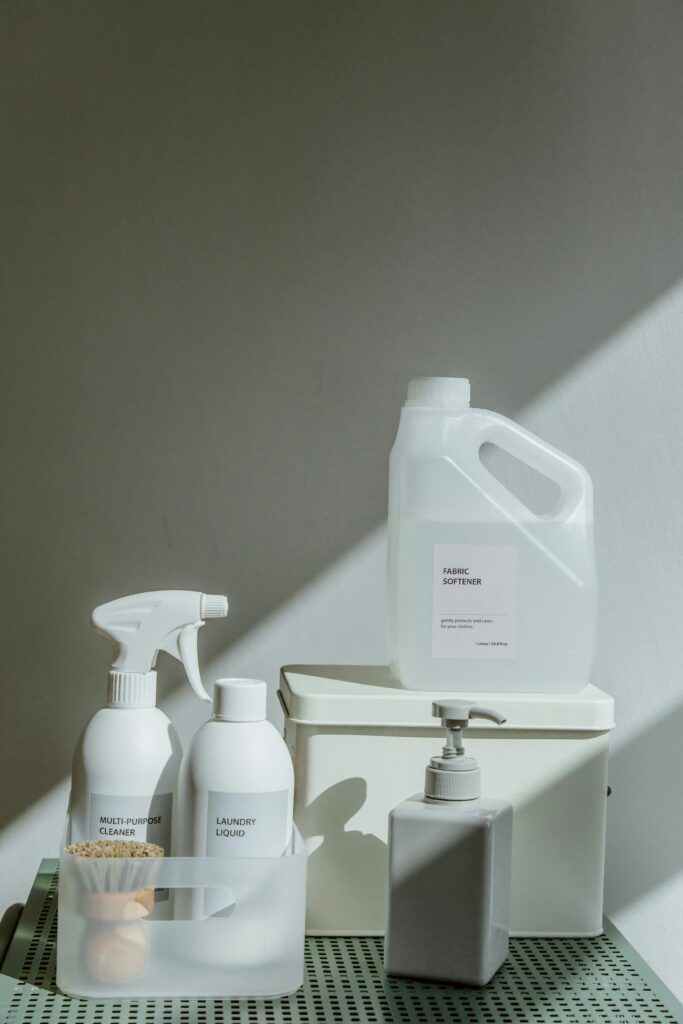
Bleach and Ammonia
This combination produces chloramine gas, which can cause serious respiratory problems and eye irritation.
Both bleach and ammonia are found in many household cleaners, with ammonia being widely used in glass cleaners, in particular.
Bleach and Vinegar
White vinegar is often used as a natural cleaning solution, and bleach is widely used as a disinfectant.
By mixing these two substances, chlorine gas is created. This gas is highly toxic. It can irritate the lungs, eyes and skin, and it is dangerous even in small amounts.
Bleach and Rubbing Alcohol
Rubbing alcohol and bleach are both common disinfectants. However, if they are mixed together these two substances create chloroform.
Chloroform was historically used as a medical anaesthetic (but it is no longer used today, as it has been replaced by safer alternatives). As a result, if inhaled, it can cause nausea, dizziness and even unconsciousness.
Hydrogen Peroxide and Vinegar
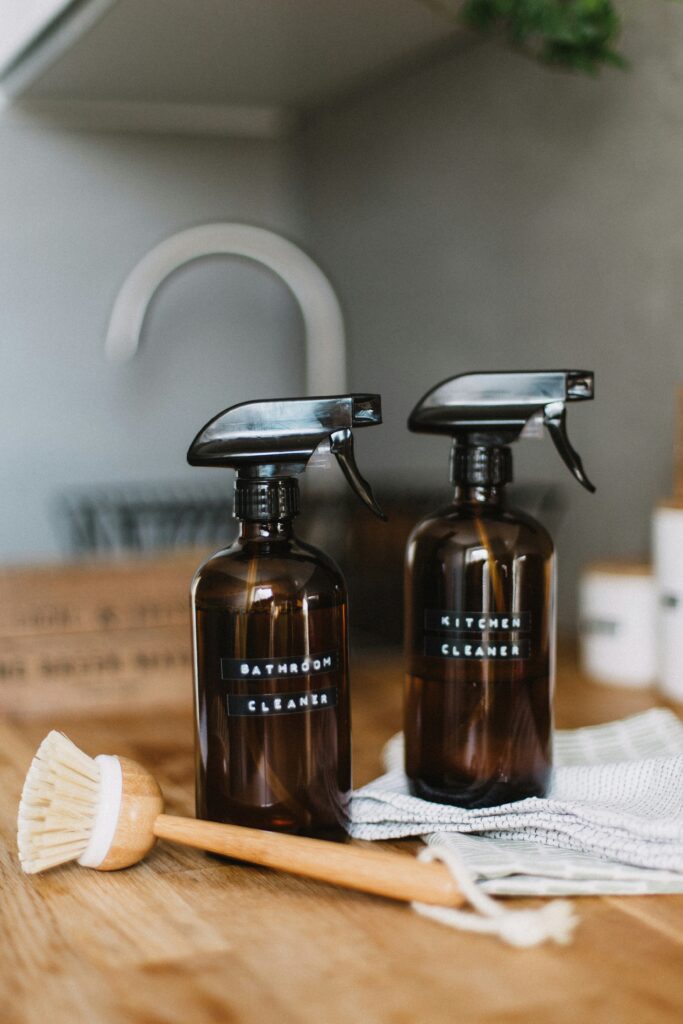
Both of these materials are commonly used in homemade cleaning solutions.
However, when they are combined, these two substances create peracetic acid. This is a corrosive substance, which can damage surfaces and irritate skin, eyes and respiratory systems.
Acidic Cleaners and Bleach
Acid-based cleaners (such as oven cleaners, drain cleaners, toilet bowl cleaners and rust removers) release toxic chlorine gas when combined with bleach.
This is a highly toxic gas, which can irritate the lungs, eyes and skin, even when inhaled in small amounts.
Different types of Drain Cleaners
If an acid-based and an alkaline-based drain cleaner are combined, this can create a number of toxic gases, and even create an explosive reaction.
Best practices for avoiding mixing cleaning products
You should always avoid mixing different types of cleaning products, unless you are absolutely certain that it is safe.
Cleaning products (even products that are available to the public) contain a number of different chemicals, which can have a violent reaction if used in certain combinations.
To avoid the dangers and hazards that we’ve listed above, follow these best practice guidelines:
- Carefully read the labels of your cleaning solutions, and check for any warning labels.
- Wherever possible, use just one cleaning product per task.
- Use specific, dedicated cleaning tools for each product.
- If you need to use multiple products, but are unsure about how they would react, rinse the surfaces that are being cleaned between uses.
- Keep your cleaning products in separate storage areas.
- Clearly label all of your cleaning products.
- Avoid using homemade cleaning solutions, as their potential reactions are less predictable.
- Maintain data sheets about the products that are in use, and make them readily available.
With over 20 years of cleaning experience, JMS Cleaning Services are highly skilled, fully trained professional cleaners. Using professional cleaners is the best way to guarantee the safe, best practice use of cleaning products, and the highest standards of commercial cleaning.
So, to ensure your site is being cleaned safely and effectively, speak to JMS Cleaning Services today.